
Mihir Joshi

Why service revenue remains untapped in manufacturing and after-sales, highlighting execution gaps such as organizational misalignment, fragmented systems, weak data foundations, and AI pilots that fail to scale.

Why Service Revenue Remains Untapped (Even When Everyone Has a Strategy)

Service revenue remains one of manufacturing’s biggest untapped opportunities. Many leaders have the strategy, but execution falters due to data gaps, weak change management, and unclear ownership. This article explores why most initiatives stall, what successful manufacturers do differently, and how to turn after-sales and service into real, scalable growth

Why Service Revenue Remains Untapped (Even When Everyone Has a Strategy) Read More »

AI augmenting customer service in industrial and automotive after-sales, showing how technology enhances knowledge access and workflows without replacing human judgment and accountability.

AI Won’t Replace Customer Service: It Will Redefine It

AI, GenAI, and agenticAI are often hyped as replacements for customer service, but in reality – especially in after-sales and field service for manufacturing and automotive industries – they are enablers, not substitutes. These technologies cannot replace the human expertise, accountability, and customer trust required in complex, high-stakes service environments. The future of service transformation lies in augmentation: letting AI handle routine tasks while empowering people to focus on safety-critical decisions, relationship-building, and innovation.

AI Won’t Replace Customer Service: It Will Redefine It Read More »

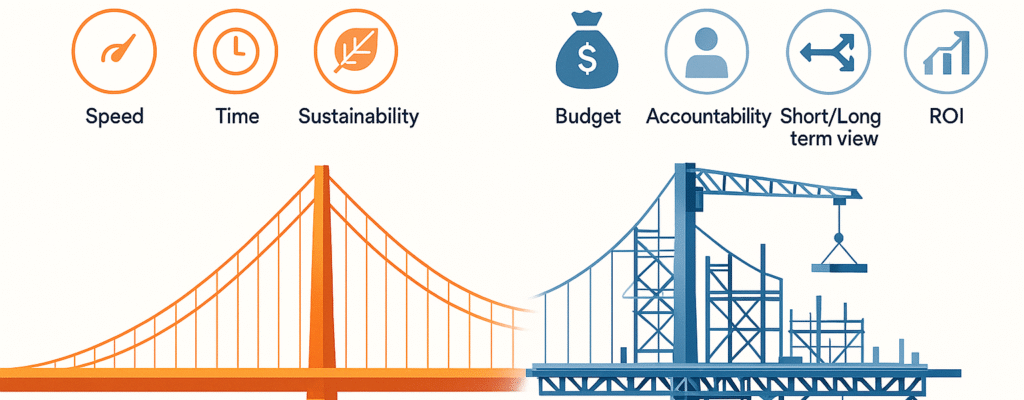
Expectation–reality gap faced by service leaders as customers demand Amazon-level convenience and zero downtime while organizations struggle with budget limits, talent shortages, and fragmented systems.

Solving the Right Pains: A Smarter Playbook for Service Leaders

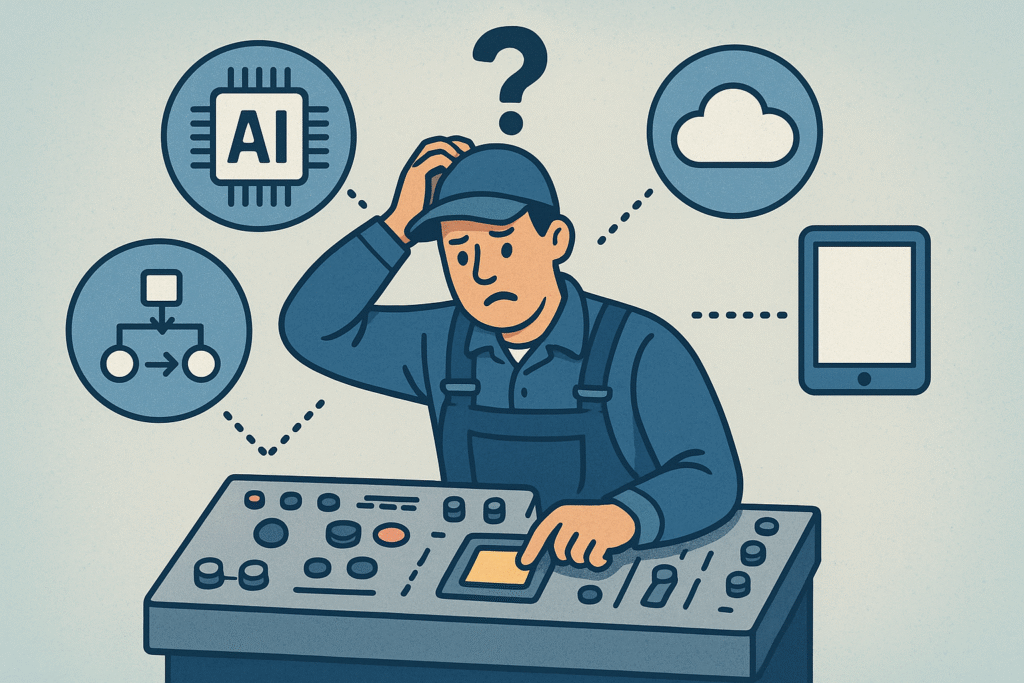
Customers today expect Amazon-level convenience, Tesla-like innovation, and zero downtime from every product and service interaction. Yet, service leaders in manufacturing, automotive, and industrial organizations operate in a reality defined by budget limits, talent shortages, fragmented technology, and competing corporate priorities. The result is an inevitable expectation – reality gap: not every pain point can, or should, be solved.

Solving the Right Pains: A Smarter Playbook for Service Leaders Read More »

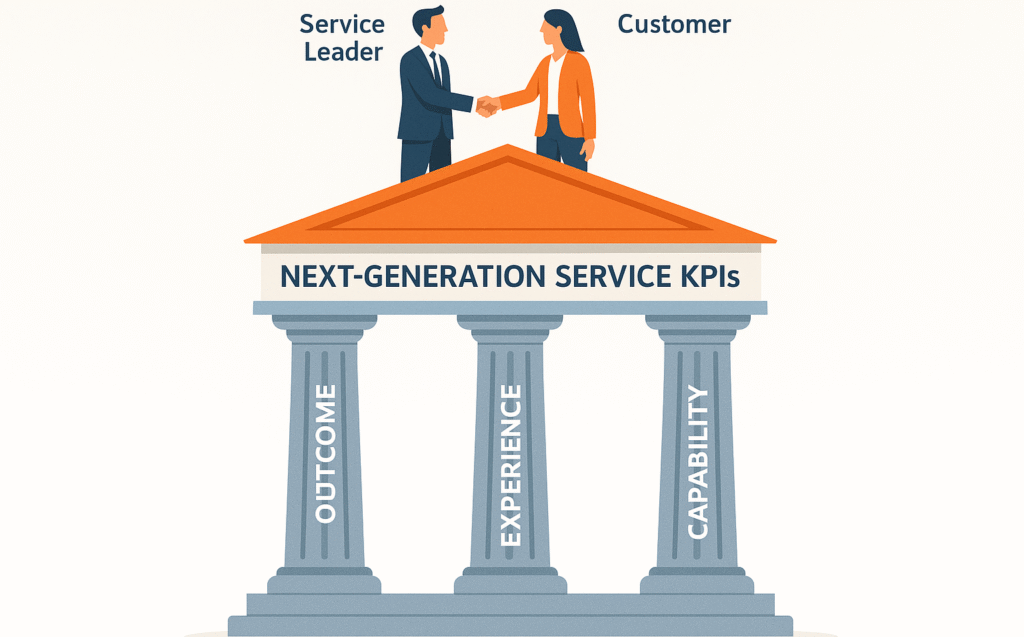
Next-generation service KPIs focused on outcomes, customer experience, and organizational capabilities beyond traditional metrics like FTF, MTTR, and SLA adherence.

The Next Frontier of Service KPIs: Outcome, Experience, Capability

Service organizations have long relied on efficiency metrics like FTF, MTTR, and Uptime, but these no longer capture what customers truly value. Expectations have evolved: today’s customers look for outcomes that deliver business impact, experiences that build lasting trust, and capabilities that ensure consistent, future-ready service. The next frontier of service KPIs reframes success across three pillars: outcome, experience, and capability. By moving beyond efficiency alone, organizations can bridge the gap between internal performance and external expectations, strengthen customer relationships, unlock new revenue opportunities, and future-proof their service models in a rapidly changing landscape.

The Next Frontier of Service KPIs: Outcome, Experience, Capability Read More »

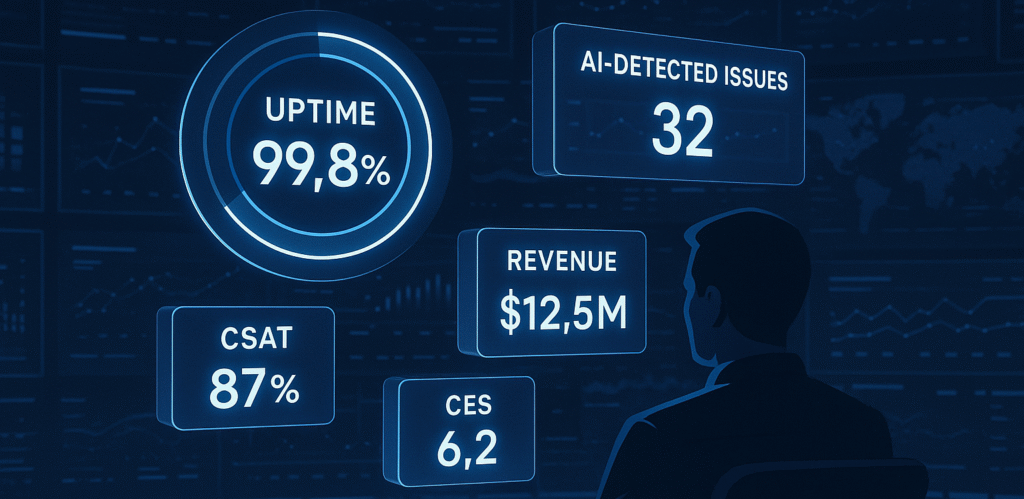
Future service organization in 2030 powered by AI, smart products, and customer value, illustrating the shift from break-fix support to outcome-driven service models.

The Service Organization of 2030: Powered by AI, Led by Customer Value

By 2030, service will no longer be about fixing what’s broken – it will be about delivering continuous outcomes. For manufacturers and service leaders, this marks a profound shift. Customers won’t just buy machines; they’ll buy uptime, sustainability, and results. And in a decade defined by AI, intelligent products, and connected ecosystems, service will become the ultimate differentiator. This article explores how the service organization of 2030 will evolve, the macro forces shaping it, and what today’s leaders must do to get there.

The Service Organization of 2030: Powered by AI, Led by Customer Value Read More »

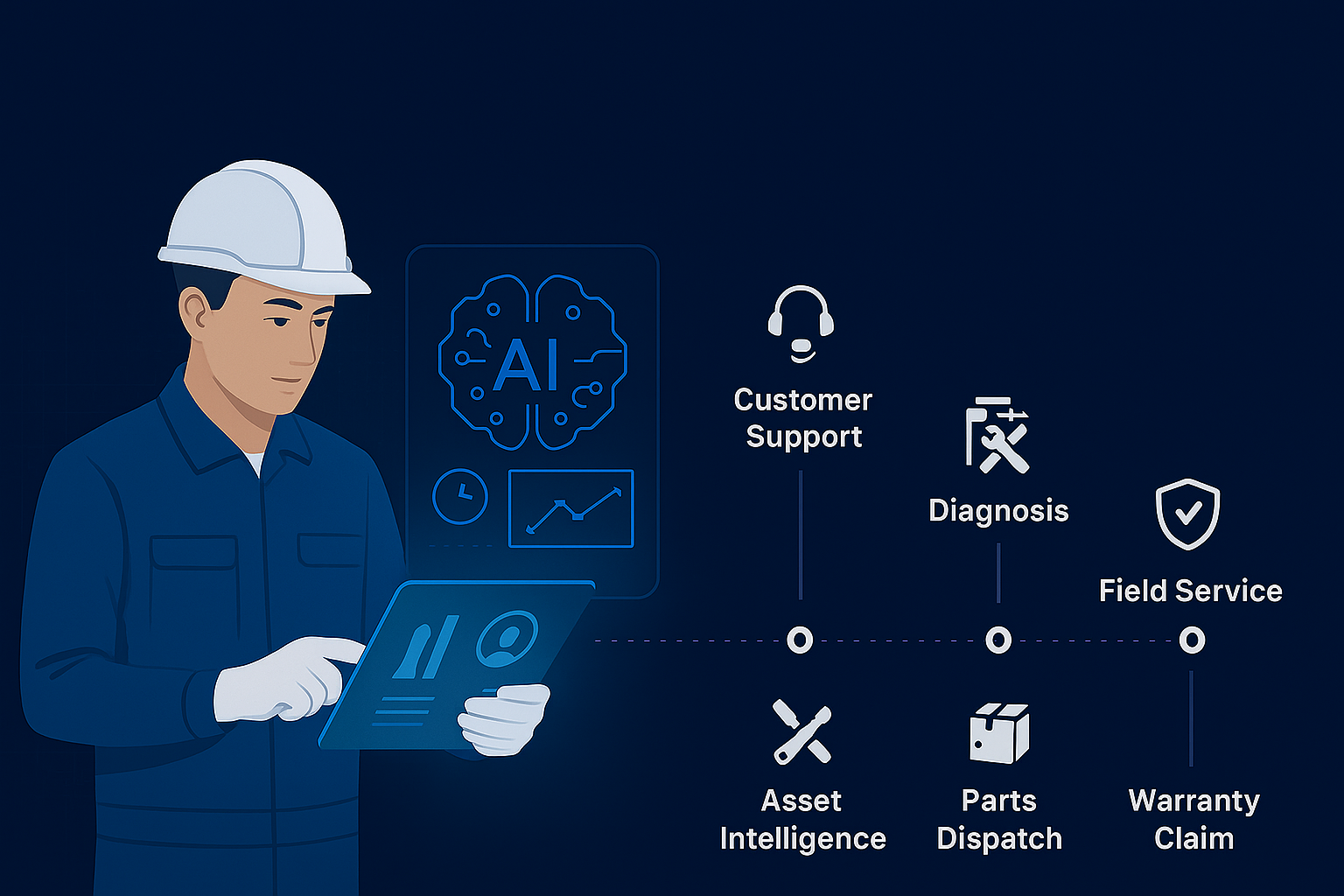
AI use cases improving after-sales operations through faster diagnostics, accurate service workflows, optimized parts management, and better customer support.

How AI Can (Actually) Help After-Sales Service – Beyond the Hype

Discover how AI is revolutionizing after-sales in industrial manufacturing – from complaint triage and technician scheduling to predictive maintenance and customer companion bots. This in-depth guide explores business challenges, real-world use cases, and measurable KPIs, helping manufacturers unlock efficiency, revenue, and customer satisfaction at scale.

How AI Can (Actually) Help After-Sales Service – Beyond the Hype Read More »

Five strategic mistakes sabotaging field service success in 2025, including data silos, chasing AI, underinvesting in upskilling, and treating field service as cost center.

5 Strategic Mistakes That Are Sabotaging Field Service Success

In 2025, companies are investing heavily in field service transformation, but many still miss the mark. This article uncovers five critical missteps, from treating field service as a cost center to neglecting customer journeys, sidelining frontline teams, and misaligning business and IT. It’s a wake-up call for leaders to rethink transformation not as a tech upgrade, but as a strategic shift,one that connects people, data, and experience through a focused FSM strategy.

5 Strategic Mistakes That Are Sabotaging Field Service Success Read More »

Scroll to Top